

Autumn Lawn Care: How to Help Your Lawn Recover After a Hot Summer 🍂
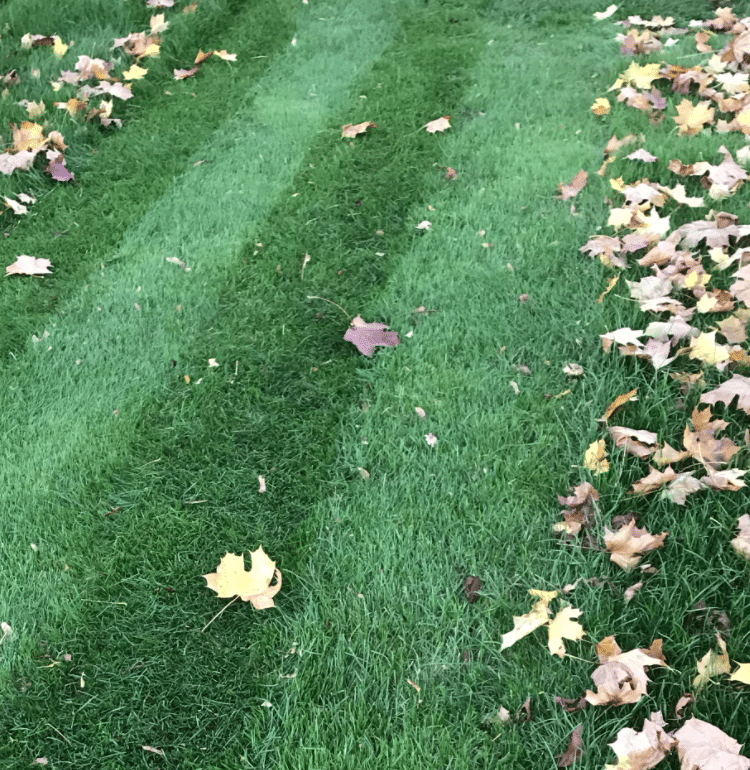
Is Your Lawn Damaged or Just Dormant? What to Do After Hot, Dry Weather
Autumn Lawn Care: How to Help Your Lawn Recover After a Hot Summer
After a hot, dry summer, your lawn may be looking tired, thin or patchy. As cooler weather and autumn rain arrive, September and October offer an opportunity to support its recovery and tackle areas that need a little more attention.
At My Lawn, we believe every lawn is different. Some lawns simply need time and regular care to bounce back, while others benefit from repair work. Here’s what to focus on this autumn.
Give your lawn a chance to recover
A brown lawn isn’t necessarily a dead lawn. Grass can become dormant during prolonged dry weather, then begin to green up once moisture returns.
Watch how your lawn responds over the following weeks. If most of it recovers but some areas remain bare or thin, those patches may need reseeding. Persistent problems are worth investigating before carrying out repairs, so you address the cause as well as the appearance.
Avoid putting a recovering lawn under extra pressure. Keep heavy use to a minimum and wait until the grass is actively growing and the soil has enough moisture before undertaking more intensive work.
Remove excess thatch with scarification
Thatch is a layer of dead and living organic material that builds up between the grass and the soil. When it becomes excessive, it can make it harder for water to reach the soil and affect the lawn’s growing conditions.
Scarification removes excess thatch and can help prepare a thin lawn for overseeding. However, the amount of work needed depends on the lawn’s condition. A healthy lawn with little thatch may not need scarifying, while a badly stressed lawn needs careful timing.
The lawn can look rough immediately afterwards, so allow time for recovery before winter growth slows.
Relieve compaction with aeration
Foot traffic and regular use can leave soil compacted, particularly in well-used areas of the garden.
Hollow-tine aeration removes small plugs of soil, helping relieve compaction and improve the movement of air and water through the root zone. It can be a useful part of an autumn renovation where soil conditions call for it.
Timing matters: the soil should be moist enough for the machine to work effectively, without being waterlogged.
Repair bare patches and thicken thin areas
Where summer has left lasting damage, overseeding can help restore grass coverage. Successful repairs start with preparation: remove dead material, loosen the surface and make sure the seed makes good contact with the soil.
Choose a grass seed mix suited to your garden, taking account of shade and how the lawn is used. A suitable light topdressing may also help as part of the repair, but avoid burying the existing grass under a thick layer.
September is usually a good time to get started. Work can continue into October where conditions remain suitable, but colder weather reduces the opportunity for new grass to establish. The earlier you assess the lawn, the easier it is to plan.
Look after newly seeded areas
Autumn rain helps, but it doesn’t guarantee that new seed stays moist. Check repaired areas regularly and water gently during dry spells, following any local water restrictions.
Keep foot traffic away while the young grass establishes. Allow it to root firmly before its first careful cut, using a sharp mower blade.
Keep up with everyday autumn care
Continue mowing while the grass is growing, adjusting the frequency as growth slows. Avoid cutting too short, and leave the mower in the shed when the ground is saturated or frosty.
Clear fallen leaves regularly so they don’t form a wet mat over the grass. If your lawn needs feeding, use a treatment suited to its condition and the time of year, following the application instructions.
Help your lawn head into winter in better shape
Autumn care is about giving your lawn the conditions it needs to recover. For some gardens, that means mowing, clearing leaves and allowing time. For others, a combination of scarification, aeration and overseeding can make a worthwhile difference.
If your lawn is struggling after summer, contact My Lawn to arrange a lawn assessment. We’ll recommend the care and repair work suited to your garden and help you Love Your Lawn Again®.