

Is Your Lawn Damaged or Just Dormant? What to Do After Hot, Dry Weather 🌞
Is Your Lawn Damaged or Just Dormant? What to Do After Hot, Dry Weather
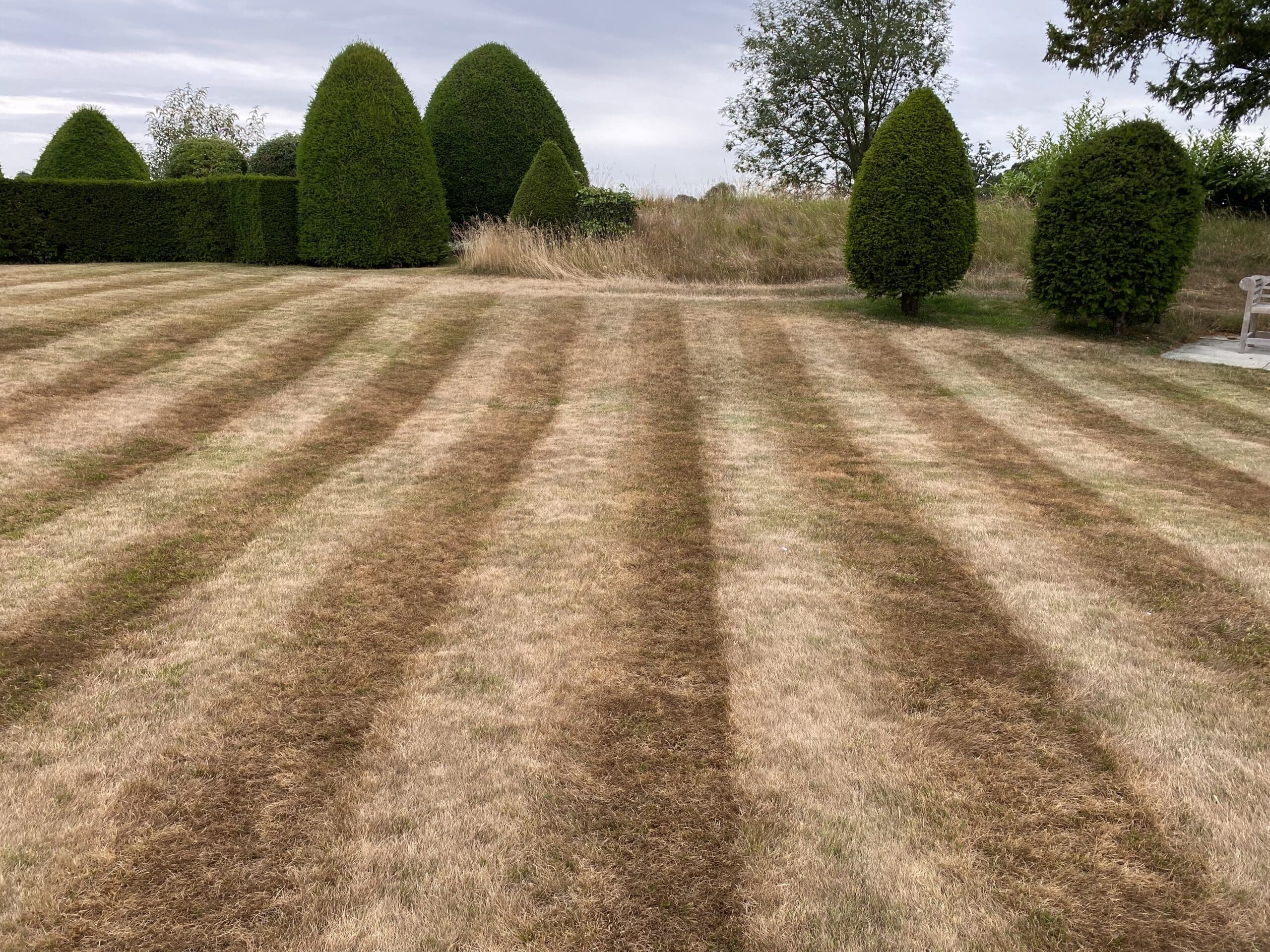
After weeks of sunshine, limited rainfall and increased use, many lawns begin to look very different by the middle of summer. Grass that was green and healthy earlier in the year may now appear brown, thin, patchy or completely lifeless.
It is understandable to assume that the lawn has died. However, brown grass is not necessarily dead grass.
During prolonged periods of hot and dry weather, lawns often enter a natural dormant state. This allows the grass plant to conserve moisture and energy until growing conditions improve. In many cases, the lawn will begin to recover once cooler temperatures and regular rainfall return.
However, not every lawn will recover evenly. Existing problems such as compacted soil, excessive thatch, poor grass coverage, weeds, shade or pest damage may become much more noticeable during summer.
So, how can you tell whether your lawn is temporarily dormant or genuinely damaged?
At My Lawn, we provide tailored lawn care programmes for homeowners throughout Cheshire, Chester, North Wales, Wirral, South Manchester and the surrounding areas. Here are some of the key signs to look for.
Why Does Grass Turn Brown During Summer?
Grass requires moisture to remain green and actively growing. When the soil becomes dry and the grass cannot replace the water it is losing, growth slows and the lawn may begin to lose its colour.
This is a natural survival response.
The grass redirects its remaining resources towards protecting its roots and crown—the part of the plant from which new growth develops. Although the leaves may look brown above ground, the grass plant can remain alive underneath.
Once moisture returns to the soil, a dormant lawn will usually begin producing new green growth. Depending on its overall condition, this recovery can take several weeks.
Signs Your Lawn Is Dormant Rather Than Dead
A dormant lawn will often look generally brown or straw-coloured across larger areas rather than displaying sharply defined individual patches.
Signs that the grass may still be alive include:
- The base of the grass plant remains firm.
- There are small areas of green growth close to the soil.
- The lawn is brown relatively evenly across sun-exposed areas.
- Shaded sections remain greener for longer.
- New growth begins to appear following sustained rainfall.
- The turf remains securely rooted when gently pulled.
Dormancy is particularly common on lawns that receive full sun or contain grass varieties that are less tolerant of dry conditions.
The best approach is often to be patient. Avoid carrying out aggressive work while the lawn and soil are extremely dry, and allow time for rainfall and cooler temperatures to encourage natural recovery.
Signs Your Lawn May Be Damaged
Some lawns will require more help once the summer weather comes to an end.
Signs of more lasting lawn damage can include:
- Completely bare areas where no grass remains
- Very thin or weak grass coverage
- Large populations of weeds or moss
- Turf that lifts easily from the soil
- Irregular patches that do not improve after rainfall
- Hard or compacted soil
- A thick layer of thatch beneath the grass
- Areas damaged by heavy foot traffic, paddling pools or garden furniture
It is important not to judge the condition of the lawn too early. A dormant lawn may appear severely damaged but recover surprisingly well once growing conditions improve.
Carry Out a Simple Pull Test
One simple way to check whether the grass is still rooted is to gently pull a small handful of turf.
If the grass remains firmly attached to the soil, the roots are probably still alive. If the turf lifts away easily with little resistance, the roots may have been damaged.
Turf that lifts easily can sometimes indicate the presence of lawn pests feeding below the surface. Increased activity from birds or other wildlife may also suggest that grubs are present in the soil.
A professional lawn assessment can help identify the difference between drought stress, root damage, soil problems and pest activity.
Check for Soil Compaction
Compacted soil is one of the most common reasons that lawns struggle to recover following dry weather.
Soil can become compacted through regular foot traffic, children playing, pets, machinery or naturally heavy ground conditions. When soil particles are tightly compressed, it becomes more difficult for water, oxygen and nutrients to reach the grass roots.
You may notice:
- Water running across the surface instead of soaking in
- Hard or cracked soil
- Thin grass in frequently used areas
- Slow recovery following rainfall
- Shallow or weak root growth
Lawn aeration relieves compaction by creating openings in the soil. This improves the movement of air, moisture and nutrients around the root zone and can form an important part of an autumn lawn recovery programme.
Look for Excessive Thatch
Thatch is the layer of dead and living organic material found between the green grass and the soil surface.
A small amount of thatch is normal and can help protect the lawn. However, when it becomes too thick, it can prevent water, air and lawn treatments from reaching the soil effectively.
Excessive thatch can also contribute to weak grass growth and create favourable conditions for moss and certain lawn diseases.
Scarification removes unwanted thatch and other organic material, allowing the lawn to breathe and creating space for healthier new growth. This work is usually most effective when the grass is actively growing and there is sufficient moisture available to support recovery.
Should You Water a Brown Lawn?
Whether to water will depend on the lawn, local restrictions and the amount of water available.
If you decide to irrigate, thorough and less frequent watering is normally more beneficial than applying a small amount every day. Light watering may only dampen the surface and encourage shallow root development.
Watering early in the morning helps reduce evaporation and allows moisture to reach the soil before the warmest part of the day.
If you are not able to water consistently, it may be better to allow an established lawn to remain dormant until rainfall returns. Applying a small amount of water occasionally may encourage the grass to start growing again without providing enough moisture to sustain that growth.
Always follow any hosepipe restrictions or local water-use guidance in force in your area.
Every Lawn Is Different
Two lawns in the same street can respond very differently to the same period of hot and dry weather.
Soil type, grass species, shade, drainage, compaction, thatch levels and how the lawn is used will all influence its condition. This is why lawn care should never take a one-size-fits-all approach.
At My Lawn, our treatments and recommendations are tailored to the individual lawn and adjusted according to its condition, the season and the prevailing weather.
This may include professionally selected seasonal nutrition, weed control, seaweed applications, dry weather treatments or other forms of support. Our proactive approach is designed to help maintain lawn health, improve resilience and address developing problems at the appropriate time.
When Should You Consider a Lawn Renovation?
Late summer is an ideal time to assess how well your lawn has coped and begin planning any work that may be required during autumn.
A lawn renovation may be appropriate if the lawn has:
- Extensive bare or severely thinned areas
- Heavy thatch or moss
- Significant soil compaction
- Poor or uneven grass coverage
- Damage caused by drought, pests or heavy use
- Failed to recover after rainfall returns
A lawn renovation includes scarification, aeration, overseeding and topdressing. These processes address different problems and help create the conditions needed for stronger, healthier grass to establish.
The best results are achieved when work is timed around suitable temperatures, soil moisture and rainfall—not simply according to a fixed date in the calendar.
Why Autumn Is an Important Time for Lawn Recovery
Autumn often provides some of the best conditions for repairing and improving a damaged lawn.
The soil remains warm after summer, while cooler air temperatures and increased rainfall reduce stress on newly germinating grass. Weed competition may also begin to slow, giving new seedlings a better opportunity to establish.
Assessing the lawn during July or August allows any necessary work to be planned and then completed when conditions are suitable.
It is important to remember that a successful lawn renovation also requires appropriate aftercare. Newly sown areas must be kept moist, protected from excessive traffic and mown carefully once the new grass is ready.
Frequently Asked Questions
Is brown grass dead?
Not necessarily. Grass commonly becomes dormant during prolonged hot and dry weather. If the roots and crown remain healthy, the lawn can regain its colour once cooler temperatures and rainfall return.
How long will a dormant lawn take to recover?
Initial green growth may appear within a couple of weeks of sustained rainfall, although complete recovery can take longer. Thin or damaged areas may require overseeding or further remedial work.
Should I mow a brown lawn?
Avoid mowing if the lawn has stopped growing. When mowing is necessary, keep the cutting height higher and never remove more than one-third of the grass blade in a single cut.
Can I scarify my lawn during hot, dry weather?
Heavy scarification should generally be avoided when a lawn is severely drought-stressed. The lawn needs suitable growing conditions and adequate moisture to recover following the work.
When is the best time to renovate a lawn?
Early autumn often provides suitable conditions because the soil remains warm while moisture levels usually begin to improve. However, the precise timing should always be based on the weather, the ground conditions and the individual needs of the lawn.
Does Your Lawn Need Some Attention?
If your lawn has become brown, thin or patchy this summer, it does not automatically mean that it needs replacing. A professional lawn assessment can establish whether the grass is simply dormant or whether there are underlying issues that need attention.
My Lawn provides tailored lawn care programmes, seasonal treatments, aeration, scarification, overseeding and lawn renovations throughout Cheshire, Chester, North Wales, Wirral, South Manchester and the surrounding areas.
Our approach is built around a simple principle: Every Lawn Is Different.
We assess the condition of your lawn, identify what it needs and recommend the most appropriate way forward.
🌱 Arrange your professional lawn assessment and discover how My Lawn can help you Love Your Lawn Again®.